
AfterShip vs ReBound Returns: The Verdict for Global Fashion Brands

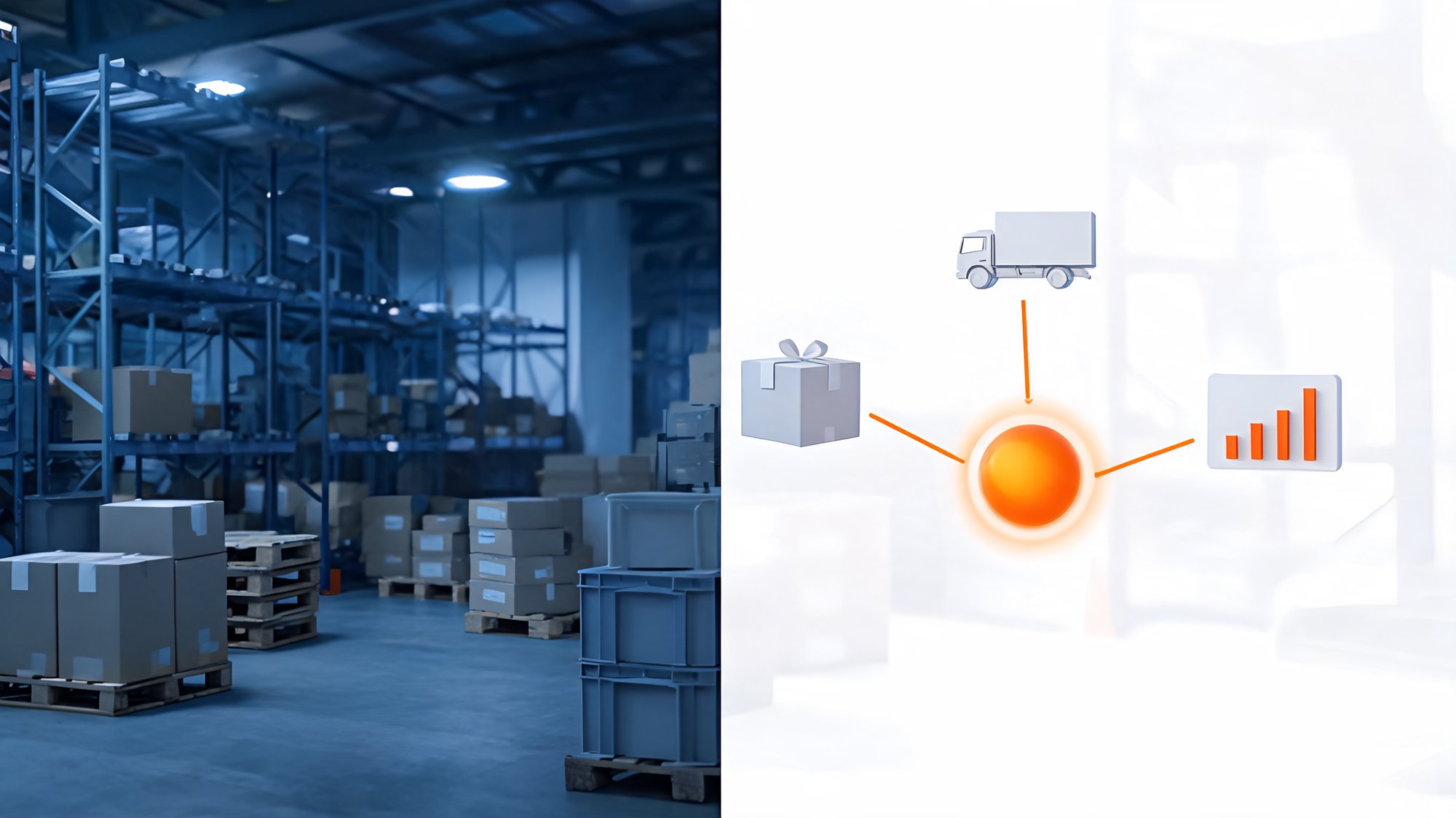
The Core Decision: A Managed Returns Service vs. a Unified Post-Purchase Platform
Your international returns process is a mess of different carriers, confusing customs rules, and angry support tickets. You know you need a better system. ReBound Returns is on your shortlist for its international focus, and for good reason. But is solving just the returns-logistics piece solving the right problem, or are you leaving the data that makes returns cheaper next quarter sitting in a silo?
That question is the real decision behind AfterShip vs ReBound Returns. The two are not competing for the same job. ReBound, a Reconomy company, is a managed physical reverse-logistics service. It takes full ownership of the entire process and runs the operation on your behalf, from in-region drop-off through consolidation, linehaul, and customs clearance.
AfterShip Returns is software your team operates. It runs the customer-facing returns experience and the data behind it, and it sits on the same platform as your tracking, shipping, and customer records.
Here is the distinction that matters. A point service solves one problem, hands-off: it moves returned boxes from many countries back to your warehouse. A platform connects several problems at once, returns, tracking, shipping, and analytics, so each one makes the others smarter. That connection is where compounding value comes from, and it is structurally out of reach when your returns operation lives inside a separate logistics vendor.
So the choice is not "which tool has more features." It is "do I want a physical service that runs returns for me, or software I control that unifies returns with the rest of my post-purchase data."
AfterShip vs. ReBound: The High-Level Verdict for 2026
Give ReBound its due first, because the verdict only counts if the comparison is honest. ReBound operates a real physical network: 40+ regional return hubs, in-region consolidation, bulk cross-border linehaul, and customs clearance, with managed hand-off so returns arrive at your warehouse as a single consolidated shipment. It moves more than 100 million return transactions a year across 300+ carriers, and it keeps long-tenured managed relationships (Oh Polly has run on ReBound for 6+ years). If your core problem is physical EU and cross-border operations, that depth is real, and AfterShip does not replicate it.
For global fashion brands that want unified data, a branded self-serve experience, and exchange-first conversion they control, AfterShip is the strategic platform. For brands whose core need is outsourcing the physical EU and cross-border returns operation, ReBound, a Reconomy company, is the capable choice.
These are complementary layers, not interchangeable products. AfterShip owns the software, data, and customer-experience layer; ReBound owns the physical reverse-logistics layer. A brand can even run AfterShip software on top of a physical return network, which is why framing this as a winner-takes-all fight misreads the decision.
The rest of this AfterShip vs ReBound Returns comparison is about which layer actually moves your numbers. If returns are mainly a logistics-cost problem you want off your plate, weight ReBound's network. If returns are a data, experience, and margin problem you want to own and compound, AfterShip is where the verdict lands.
Feature Comparison: What Matters for Global Fashion Brands
Skip the 200-row feature matrix. For a global fashion brand, a few criteria settle the AfterShip vs ReBound Returns decision: returns experience, international carrier reach, automation, cost management, and platform and data integration. The table below scores both across them, using each vendor's own published positioning.
| Capability | AfterShip Returns | ReBound Returns |
|---|---|---|
| Returns Experience | Fully customizable branded self-serve portal with branded return tracking and proactive return-status notifications that cut 'Where is my refund?' (WISMR) tickets. | Branded portal within a managed service; less emphasis on a self-serve, post-shipment branded tracking experience. |
| International Carrier Reach | 68 native carriers worldwide + 550+ via embedded Easyship (optional, available on any plan), across 310,000+ drop-off locations covering 95% of customers worldwide. Per-plan own-account entitlement: 1 / 3 / 5 / unlimited (Enterprise) + USPS. (Software-orchestrated label reach, a different unit from a physical network.) | 300+ global carriers and 40+ regional return hubs; a managed physical network with in-region consolidation, bulk linehaul, and customs clearance. |
| Automation | Conditional, rules-based workflows branching on country/region, order value, product type/tag, SKU, return reason, and customer tag. VIP/high-value routing is done via customer tags (synced from store/CRM), not a native lifetime-value field. | Strong automation focused on routing and physical-logistics rules within the managed service. |
| Returns Cost Management | Return Care opt-in benchmark 50%+ (up to 73%); exchange-first conversion (Marc Nolan: 25% to 49% exchanges, $125K retained in 90 days); discounted Easyship labels (up to 91% off); software cost separated from per-label shipping cost, so the brand controls variable spend. | Operations-inclusive managed contract bundling software plus physical handling (consolidation, linehaul, customs) into one larger fee; more hands-off, less granular control over the logistics line. |
| Platform and Data Integration | Unified analytics across returns, tracking, shipping, and customer journey on one shared order/customer record; SKU-level return-reason analytics correlated with outbound carrier/lane performance. | Deep returns-operations data, but the software layer is a separate system from the brand's tracking/shipping/customer data, so cross-domain correlation requires stitching two vendors. |
One number deserves a caveat before you read it as a scoreboard. AfterShip Returns generates labels across 68 native carriers worldwide, plus 550+ via embedded Easyship, across 310,000+ drop-off locations covering 95% of customers worldwide. ReBound counts 300+ carriers inside a physical logistics network it operates directly. Those are different units. AfterShip's figure is software-orchestrated label reach; ReBound's is a managed physical network with hubs, consolidation, and customs clearance. Treating one as "bigger" than the other is a category error, not a finding.
So read the table for fit, not for a carrier headcount. ReBound is strong on physical logistics and managed hand-off: it runs the operation so your team does not. AfterShip is strong on the end-to-end branded customer journey, exchange conversion, and unified data: it gives your team software to run returns plus the records that make those returns cheaper over time. For a line-by-line view you can see a detailed breakdown of features and pricing, but the shape of the decision is already visible here. One model takes work off your plate; the other puts control and data in your hands.
Managing International Returns: Logistics vs. Experience
International returns are where ReBound's model earns its place. Its hub-and-consolidation approach pools returns inside each region, moves them across borders in bulk, and clears customs as a single managed shipment. For a brand that wants the physical operation handled end to end, that is a real answer to a real problem, and it is the layer AfterShip does not run.
AfterShip answers the other half of the same journey: what the customer sees after they click "return." A branded self-serve returns portal plus proactive return-status notifications keep the shopper informed from drop-off to refund. That visibility cuts "Where is my refund?" (WISMR) tickets and turns a cost center into a brand moment, the kind a fashion buyer remembers at the next purchase.
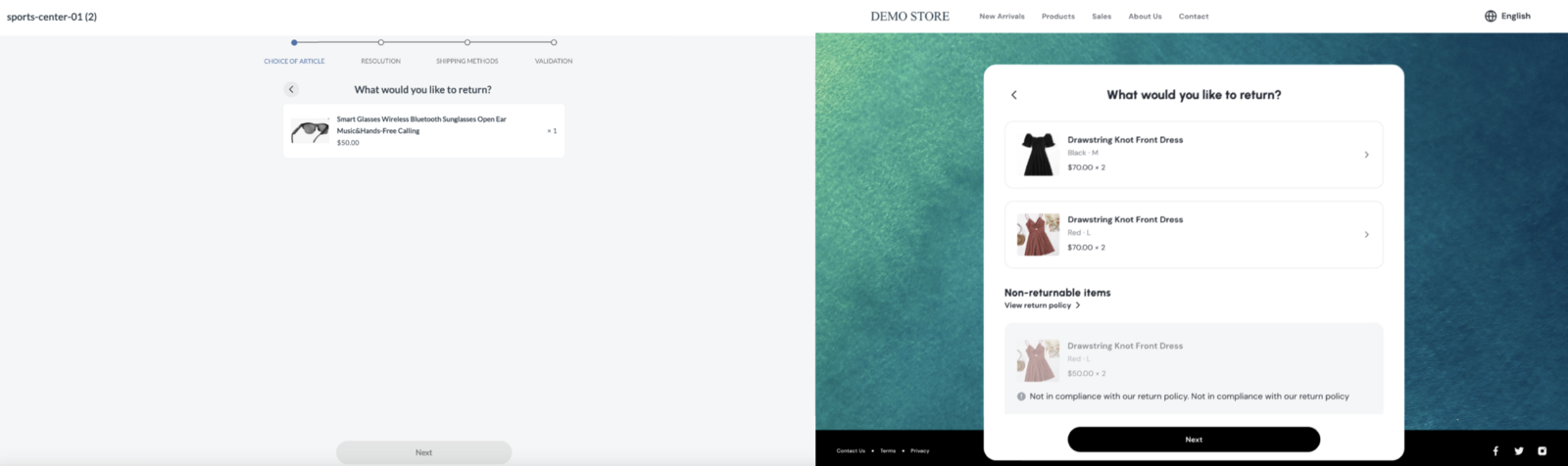
Be precise about the limits, because this is where an honest comparison earns trust. AfterShip does not own consolidation hubs and does not run bulk linehaul. Its equivalent of consolidation savings comes from three software levers instead: discounted Easyship rates on return labels, routing rules that keep returns in-region rather than pushing them back across a border, and converting refunds into exchanges so fewer items physically move at all. The first two trim the cost per return; the third removes the return shipment from the equation entirely.
That last lever matters because the demand side is unforgiving.
33% of global shoppers will not buy from other countries because of returns costs (DHL, 2025). A clear, branded, low-friction return experience is not a nicety for cross-border fashion. It is a precondition for the first sale, and it is precisely the layer AfterShip controls.
Why a Siloed Returns Solution Is a Hidden Cost
The real cost of a standalone returns tool is not its subscription. It is the question it can never answer.
Consider a hypothetical any data-driven ops lead will recognize. Suppose returns tagged "arrived too late" spike on one SKU. Because AfterShip Returns and AfterShip Tracking share a single order and customer record, you filter those orders and trace them straight to the outbound carrier and lane that delivered them. Illustratively, you might find that 70% shipped on one carrier, on one cross-border lane, whose on-time rate had just slipped. (That figure is a worked example to show the mechanism, not a published result, and no named brand or carrier is being cited here.)
A siloed returns tool cannot surface that, because it holds no outbound delivery data. The return reason sits in one system; the delivery performance that caused it sits in another. To connect them you would stitch two vendors together by hand, export by export, long after the lane has cost you another month of refunds.
This is the one structural advantage worth stating plainly. AfterShip is the only side of this comparison holding outbound delivery performance and return-reason data on the same platform. ReBound's software layer is a separate system from your tracking, shipping, and customer data, so the same correlation requires integrating across vendors rather than reading one dashboard.
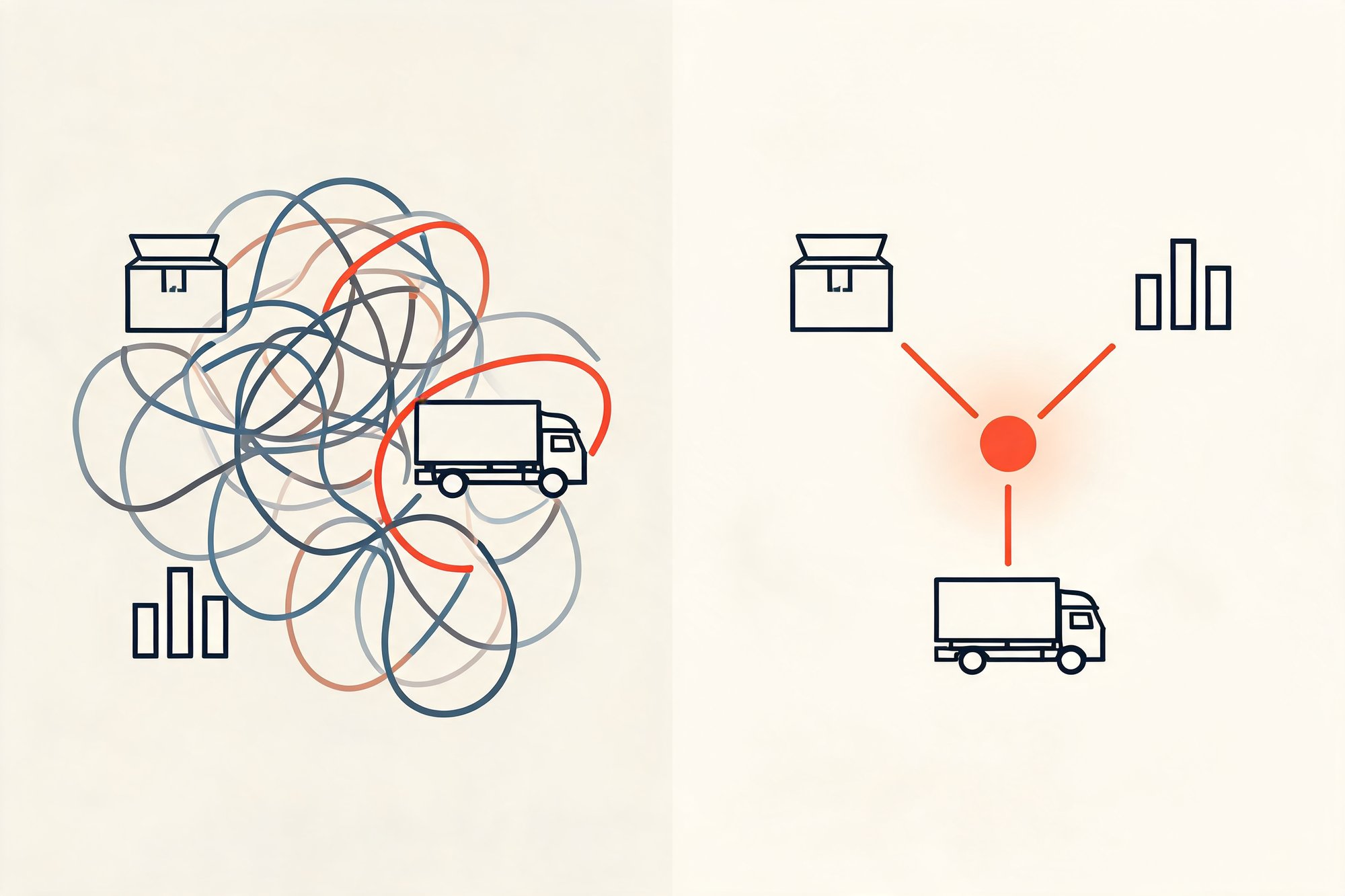
For a brand processing thousands of international returns a month, that gap compounds quarter over quarter. You would land on an Enterprise plan either way, since returns at that volume are custom-priced rather than billed on the published entry tiers, so the deciding factor is not the line item. It is whether your returns data can find its own root cause, or whether the answer stays locked in a silo you pay to maintain. You can dig into richer analytics on return reasons and trends, but the architecture is the point: unified data answers questions a point service structurally cannot.
How AfterShip's Platform Supercharges Your Returns Strategy
Returns do not improve in isolation. The reason AfterShip Returns gets stronger over time is that it shares a platform with the products that surround a return: tracking, shipping, and analytics. Each one feeds the others on the same order and customer record.
AfterShip Tracking
Keep customers informed during the return journey, not just the outbound delivery. A return is a window of silence where shoppers wonder whether their refund is coming, and that silence generates tickets. Branded, proactive return-status updates close that gap, so the "Where is my refund?" question gets answered before it reaches your support queue.
AfterShip Shipping (via embedded Easyship)
Cut reverse-logistics costs with discounted return labels, without changing how returns data flows. The mechanics matter here, so state them plainly. AfterShip Returns is native software with its own 68-carrier network. The 550+ additional carriers and up-to-91%-off label rates come through an optional, embedded Easyship integration that is available on any plan. Label billing runs through the merchant's own Easyship account, and AfterShip does not charge or collect for those labels.
That separation is the point. Returns data and the customer experience stay unified inside AfterShip, while the discounted-shipping layer is a partner relationship you can switch on or leave off. Rate, label, and billing support for those labels routes to Easyship, not into your returns workflow.
AfterShip Intelligence
Connect return reasons to carrier and lane performance and to product data, and you surface correlations a managed point service cannot. The architectural basis is a shared enrichment layer: carrier data and product tags sit on the same records as your return reasons. That is a capability of the unified platform, not a single screen, and it is the engine behind the root-cause example from the previous section.
Proof in Practice: How Aetrex and Marc Nolan Streamline Returns with AfterShip
Two footwear brands show both halves of the case, the operational half and the margin half.
“We've been happy with AfterShip Tracking. There's no downtime or issues. Going with AfterShip Returns made sense. We can simplify our tech stack and leverage the data together.”
Aetrex eCommerce Team
Read their story →Aetrex, a global footwear brand, runs on Salesforce Commerce Cloud rather than Shopify, which makes it a useful enterprise data point. After moving returns to AfterShip, Aetrex cut return-processing time by 86%, reduced WISMO tickets by 74%, and saved 50% on operational costs, while lifting its NPS to +141 across more than 120,000 packages a year. That is the efficiency-and-experience side of the argument, proven at enterprise volume.
“It's just so easy and effortless for me to check in on things and work with the returns portal. I don't have to worry about it anymore.”
Nikolas Callas, Senior Director of eCommerce
Read their story →Marc Nolan, a Shopify footwear brand, shows the CFO side. The team cut time spent on returns by 97%, from roughly 35 hours a week to about one. More important for margin, exchanges rose from 25% to 49% of returns, and that exchange-first shift retained $125,000 in revenue in 90 days. Returns stopped being pure refund leakage and started defending the top line.
Together they answer the two questions this buyer carries into the room: will it lighten my team's load, and will it protect revenue. Aetrex answers the first; Marc Nolan answers the second.
The Final Verdict: Which Returns Solution is Right for Your Fashion Brand?
Be honest about where ReBound wins. If your core need is outsourcing the physical reverse-logistics operation, in-country consolidation, bulk cross-border linehaul, and customs clearance across many EU lanes, ReBound, a Reconomy company, is the honest fit. AfterShip is not a drop-in replacement for that physical network, and pretending otherwise would not help your decision.
For a global brand prioritizing a branded customer experience, data unification, exchange conversion, and software it controls, AfterShip is the clear winner of the AfterShip vs ReBound Returns comparison.
One caveat keeps this verdict honest: there is no published ReBound-to-AfterShip fashion migration, so do not read this as "brands are fleeing ReBound." They are not, as far as the public record shows. The decision here is architectural and category-based, software-and-data platform versus managed physical service, not a defection story.
What AfterShip can point to is a track record of replacing software returns platforms (brands have moved from Narvar and Loop, with names such as Mejuri, Aetrex, Away Travel, and Gorjana cited in those switches), each worth a quick publish-day check before you rely on it. If you are still mapping the category, it helps to step back and think through how to choose the right returns software before committing to either layer. Start by naming which problem actually keeps you up at night: moving boxes across borders, or owning the data that makes every future return cheaper. Your answer is your verdict.
Weighing a unified platform against a managed service for your cross-border returns? Talk through your setup with our returns team and see AfterShip Returns in action.
Book a call with our returns teamFrequently Asked Questions
What is the difference between AfterShip Returns and ReBound Returns?
AfterShip Returns is software a brand operates that unifies returns with tracking, shipping, and customer data on one platform. ReBound, a Reconomy company, is a managed physical reverse-logistics service that runs the operation for you, including regional return hubs, in-region consolidation, bulk linehaul, and customs clearance. They are complementary layers, not interchangeable products.
Which is better for international returns, AfterShip or ReBound?
If your core need is outsourcing the physical EU and cross-border returns operation (consolidation, bulk linehaul, and customs clearance), ReBound is the honest fit, and AfterShip is not a drop-in replacement for that physical network. If you prioritize a branded customer experience, data unification, and exchange conversion you control, AfterShip is the strategic platform.
How do AfterShip and ReBound compare on returns data and analytics?
AfterShip holds outbound delivery performance and return-reason data on the same platform via a shared order and customer record, so it can correlate SKU-level return reasons with carrier and lane performance. ReBound's software layer is a separate system from a brand's tracking, shipping, and customer data, so the same correlation requires stitching two vendors together.
How many carriers does AfterShip Returns support?
AfterShip Returns generates return labels across 68 native carriers worldwide, plus 550+ via an optional embedded Easyship integration, across 310,000+ drop-off locations covering 95% of customers worldwide. This is software-orchestrated label reach, a different unit from ReBound's 300+ carrier managed physical network.
Does AfterShip replace ReBound's physical returns network?
No. AfterShip owns no consolidation hubs, does not run bulk linehaul, and is not a customs broker. Its equivalent of consolidation savings comes from discounted Easyship rates, routing rules that keep returns in-region, and converting refunds into exchanges so fewer items cross a border. For the physical cross-border operation itself, ReBound is the fit.