
Ecommerce Logistics' Biggest Events of 2025 In Review


The year 2025 has concluded, providing an opportunity to reflect on the key developments and trends that have shaped the global ecommerce logistics industry. This report provides a comprehensive analysis of the nine most significant events of the past year, offering insights into the forces driving change and the strategic implications for businesses operating in this dynamic sector. In reverse order of magnitude:
9. InPost's Acquisition of Yodel Finalized After Legal Challenge

InPost, a prominent out-of-home delivery provider, successfully completed its acquisition of UK parcel carrier Yodel for £106 million. The transaction was initially delayed by a court injunction resulting from a legal challenge by Shift and its CEO, Jacob Corlett, who asserted pre-existing warrants to acquire a majority stake in Yodel. The injunction was subsequently overturned, allowing the acquisition to proceed.
8. UK Post Office Faces Scrutiny Over Horizon IT Scandal

The UK Post Office has been the subject of a significant scandal following a television documentary that highlighted the wrongful prosecution of sub-postmasters for theft. These allegations stemmed from accounting discrepancies caused by a faulty IT system, known as Horizon, developed by Fujitsu. The scandal has had a profound impact on the lives of many individuals and has raised serious questions about corporate governance and accountability within the organization.
7. Increased Competition and Investment in the Middle East Logistics Sector
The Middle East has emerged as a key area of growth and investment in the ecommerce logistics sector. This trend is driven by ambitious national development plans, such as Saudi Arabia's Vision 2030, and significant infrastructure projects. Key developments in the region during 2025 include:
- DHL's acquisition of AJEX
- Private equity firm PDQ's acquisition of Aramex
- The launch of Emirates Courier Express by Emirates
- The restructuring and rebranding of Emirates Post Group to 7X
- The launch of JoyExpress by JD.com
- DP World's strategic repositioning as a technology-driven logistics provider
6. Record-Breaking Sales During Cyber Week and Singles Day Indicate Consumer Resilience
Despite concerns about a potential economic downturn, consumer spending remained robust during key retail periods. The US recorded its largest Cyber Week to date, with sales reaching $336.6 billion, a 7% increase year-over-year. Similarly, China's Singles' Day generated $238 billion in sales, an 18% increase from the previous year. These figures suggest a high degree of consumer confidence and continued growth in the ecommerce market.
5. Consolidation in the Returns and Logistics Software Market
The trend of consolidation continued in the logistics and returns sector. Notable transactions included DHL Supply Chain's acquisition of Inmar Returns and Global-E's acquisition of ReturnGo. In a significant partnership, FedEx announced a collaboration with Blue Yonder, which had previously acquired Doddle. Following these acquisitions, Loop is now the only major standalone returns platform in the market.
4. David Steiner Appointed as New Postmaster General of the USPS

David Steiner, former CEO of Waste Management and a member of the FedEx Board of Directors, has been appointed as the 76th Postmaster General of the United States Postal Service (USPS), succeeding Louis DeJoy. The USPS, the world's largest parcel delivery company outside of China, faces significant financial challenges. Steiner's leadership will be critical in addressing these issues, and he has already announced plans to reinstate the Delivery Duty Paid (DDP) program, which allows for downstream injection of parcels into the USPS network.
3. Intensifying Competition in China's Quick Commerce Market

The profitability of Ding Dong Mai Cai, a leading Chinese quick commerce company, has spurred increased competition in the sector. Major ecommerce players, including Meituan, Alibaba, and JD.com, have invested heavily in customer subsidies to gain market share, with total investment reaching $11 billion USD. This has led to the adoption of new logistics models, such as asset-light gig worker networks, in-store fulfillment, and dark stores. These trends are also beginning to emerge in other global markets, including the United States, where companies like Amazon, Walmart, DoorDash, and Uber Eats are key players.
2. Global Trade Disrupted by New Tariffs

The imposition of new tariffs on international trade partners has created significant uncertainty for global supply chains. US importers and brands have responded by diversifying their manufacturing bases to countries such as Vietnam and Mexico. However, the subsequent application of similar tariffs to these countries has highlighted the need for supply chain resilience and adaptability in the face of evolving trade policies.
1. US and EU Announce Changes to De Minimis Thresholds
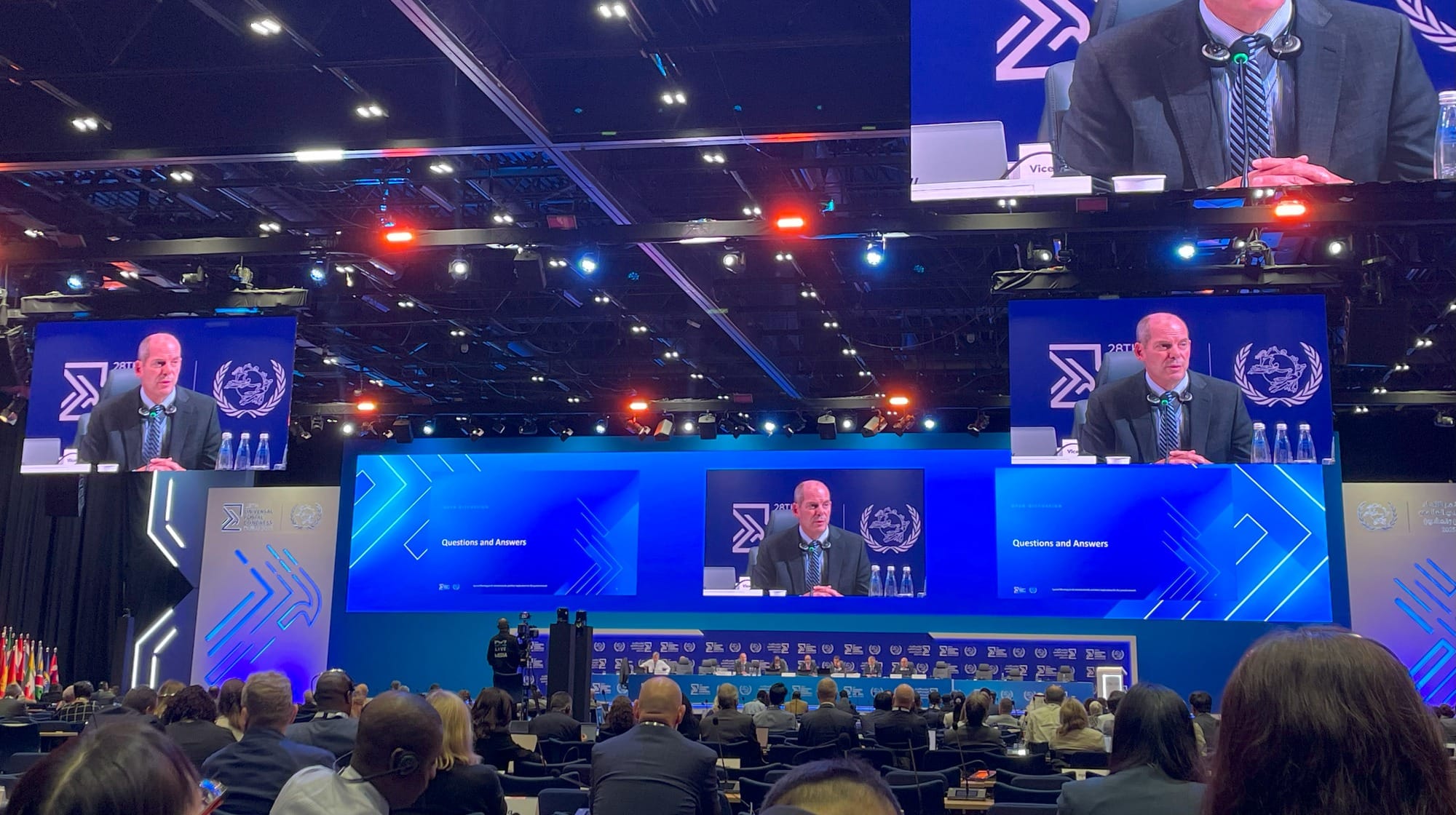
The United States has eliminated its $800 de minimis threshold for inbound shipments, a policy change that has significant implications for cross-border ecommerce. The decision was driven by the increasing volume of de minimis shipments, particularly from China, and political pressure to create a more level playing field for domestic retailers. AfterShip's Logistics Partnerships Director Eric Pong was on site at the UPU Dubai Postal Congress as the world's postal leaders discussed the details of the changes.
The European Union has also announced plans to end its €150 de minimis threshold and introduce a €3 per package fee, effective July 1, 202.
About the Author
Eric Pong (aka The Ecommerce Logistician) is Logistics Partnership Director at AfterShip, managing relationships with 1,200 integration logistics partners globally. Eric also represents AfterShip on the Management Committee of the Universal Postal Union (UPU) Consultative Committee.